What Is Microsoft Azure and Why Should IT Beginners Learn Cloud Computing in 2026?
You’ve probably heard “the cloud” mentioned in conversations about IT careers — and Microsoft Azure keeps appearing in Florida job postings. So what is Microsoft Azure, what does it actually do, and why is learning cloud computing one of the smartest moves an IT beginner can make in 2026? This guide answers all of it in plain language.

What Is Cloud Computing? (Start Here)
Cloud computing is the delivery of computing services — servers, storage, databases, networking, software, and analytics — over the internet, instead of through physical hardware you own and maintain on-site.
Here’s the everyday version: instead of a business buying, housing, and maintaining its own servers, it rents computing power and storage from a provider that runs the infrastructure — and reaches those resources from anywhere with an internet connection. It’s the difference between owning a generator and simply plugging into the grid.
The three largest cloud providers in the world are Microsoft Azure, Amazon Web Services (AWS), and Google Cloud Platform. Together they run most of the world’s enterprise IT infrastructure.
What Is Microsoft Azure Specifically?
Microsoft Azure is Microsoft’s cloud computing platform. Businesses use it to host websites and applications, store and analyze data, run virtual machines, manage databases, deploy AI tools, and secure their digital infrastructure — all as rented, on-demand services.
What sets Azure apart for many organizations is integration. It connects deeply with Microsoft 365, Entra ID (formerly Active Directory), and the other Microsoft products businesses already run. Companies using Windows Server, Outlook, Teams, and SharePoint often extend into Azure as the natural next step — which is exactly why Azure skills are so valuable in Florida’s enterprise, healthcare, and government markets, all heavy Microsoft environments.
What Azure Actually Does — in Plain English
“Cloud platform” is abstract, so here are the services you’ll actually hear about, with the everyday version of each:
| Azure service | What it does | Think of it as… |
|---|---|---|
| Virtual Machines | Run a full computer/server in the cloud | Renting a computer instead of buying one |
| Blob Storage | Store files, backups, and media at scale | An infinite, off-site hard drive |
| Azure SQL | Run databases without maintaining a server | A managed filing system for data |
| Entra ID | Manage logins, identity, and access | The company’s digital front-door security |
| Azure Virtual Desktop | Stream a full Windows desktop to any device | Your work PC, available anywhere |
You don’t need to master all of these to start. Entry-level cloud work is mostly about knowing what these services are, when they’re used, and how to perform routine management tasks — which is precisely what the beginner certification covers.
Why Are Azure Skills in Demand in Florida?
Florida mirrors the national shift to the cloud: businesses keep migrating from on-premise data centers to cloud platforms, and every migration needs someone to configure, manage, monitor, and secure the new environment.
- IT Support and Systems Administrator roles increasingly require Azure knowledge as workloads move to the cloud
- Azure Administrator is one of the fastest-growing IT job titles in Florida’s enterprise and healthcare sectors
- Defense contractors in Tampa Bay are adopting Azure Government Cloud — creating demand for Azure-certified professionals, often with security clearances
- Microsoft 365 organizations extend into Azure for backup, virtual desktop, and security — making Azure skills valuable even in non-cloud-specific roles
Because so much of the Tampa Bay economy — MacDill-area defense contractors, hospital systems, and financial firms — runs on Microsoft, a Microsoft Azure certification earned in Tampa travels directly into the region’s biggest employers. See what those roles pay in our guide to IT jobs in Tampa Bay.

Which Azure Certification Should You Get?
| Certification | Level | Validates | Best for |
|---|---|---|---|
| AZ-900 Azure Fundamentals | Entry | Cloud concepts, core Azure services, pricing, and support | Beginners, Help Desk techs, anyone working in an Azure environment |
| AZ-104 Azure Administrator | Practitioner | Implementing, managing, and monitoring Azure environments | Azure Administrator, Cloud Engineer, Systems Administrator (cloud) |
AZ-900 is the right starting point if you have no prior cloud experience — it’s also frequently required as a prerequisite or co-requisite for more advanced Azure roles. From there, AZ-104 is the credential that qualifies you for hands-on administrator work. ACT offers both Azure AZ-900 and AZ-104 certification prep as part of its cloud and Microsoft certification programs.
Do You Need Azure If You Already Have CompTIA Cloud+?
They complement each other rather than compete — and knowing the difference helps you plan:
| CompTIA Cloud+ | Azure AZ-104 | |
|---|---|---|
| Type | Vendor-neutral | Vendor-specific (Microsoft) |
| Covers | Cloud concepts, architecture & security across all platforms | The tools, services & tasks specific to Azure |
| Gives you | Conceptual foundation + platform flexibility | The employer-recognized credential for Azure roles |
Many IT professionals pursue both: Cloud+ for the portable foundation, AZ-104 for the Azure-specific, hands-on credential employers name in postings.
What Jobs Do Azure Certifications Qualify You For in Florida?
| Role | Florida salary range |
|---|---|
| IT Support Specialist (Azure environments) | $50,000 – $65,000 |
| Systems Administrator (cloud-focused) | $60,000 – $80,000 |
| Azure Administrator | $70,000 – $95,000 |
| Cloud Engineer | $75,000 – $100,000 |
| Cloud Security Analyst | $75,000 – $95,000 |
Demand behind those numbers is durable: the Bureau of Labor Statistics puts the median wage across computer and IT occupations at $105,990, with cloud among the fastest-growing skill areas.
How to Start Learning Azure With No Cloud Experience
- Get your IT footing first (if you’re brand new)You don’t need to be an expert, but basic IT literacy helps. CompTIA A+ or the IT Career Prep pathway builds it fast.
- Start with AZ-900The Fundamentals cert teaches cloud and Azure concepts with no prior experience assumed — the natural first step.
- Get hands-on in the Azure PortalA free Azure account lets you click through the real interface. Cloud clicks, not textbooks, is where it sticks.
- Move to AZ-104 when you’re readyThe Administrator cert turns concept knowledge into the job-ready, employer-recognized credential.
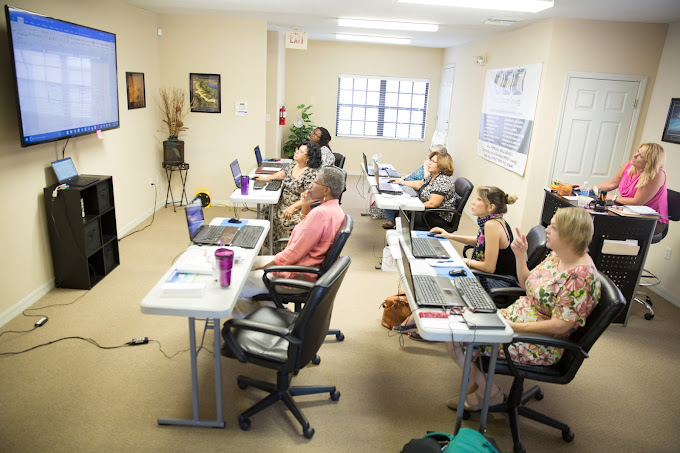
Cloud and Microsoft certification training can often be funded. WIOA, VA education benefits, and Vocational Rehabilitation may cover part or all of tuition — see how to pay for IT training in Florida or the funding options page.
Not Sure Where to Start With Cloud?
Book a free strategy call and we’ll explain which cloud certification fits your current skill level and goals — from AZ-900 to AZ-104.
Book Your Free Strategy Call → or call 855-9-LEARNITFrequently Asked Questions
Do I need programming skills to learn Microsoft Azure?
No. Most Azure administration and support roles don’t require programming. You manage Azure through the Azure Portal, Azure CLI, and PowerShell — all learned through structured training, not software development.
Is Azure harder than CompTIA A+ or Security+?
It’s different rather than harder. Azure focuses on cloud concepts and Microsoft tools instead of hardware and network fundamentals. If you’ve completed A+ and have some IT experience, Azure training builds naturally on what you already know.
Can I get an Azure job in Florida without prior cloud experience?
Yes — with AZ-900 or AZ-104 from a structured program. Entry-level cloud support roles don’t require years of cloud experience; they require demonstrated knowledge, which certification provides. If you’re starting from scratch, see how to start an IT career with no experience.
AWS or Azure — which should a beginner learn first?
For most Florida job seekers, Azure — because so many local employers (healthcare, government, and Microsoft-heavy enterprises) already run Microsoft environments, so Azure skills apply directly. AWS is also valuable; the concepts transfer, so learning one makes the other easier later.
How long does Azure certification prep take?
AZ-900 is a focused fundamentals exam that motivated beginners can prepare for in a matter of weeks. AZ-104 is deeper and hands-on, so it takes longer. ACT’s admissions team will map a realistic timeline to your starting point on a free call.
Is Learning Microsoft Azure Worth It in 2026?
If you’re building an IT career in Florida, yes. Now that you know what Microsoft Azure is — a rented, on-demand computing platform that the region’s biggest employers already depend on — the opportunity is clear: cloud skills are in demand, well paid, and reachable for beginners through a single starting certification. AZ-900 is the first step; AZ-104 turns it into a career.
Explore ACT’s Azure certification programs, browse all ACT programs, or see where graduates landed in our success stories.
Interested in Azure or Cloud Certification?
Book a free strategy call and we’ll explain which cloud certification fits your current skill level and career goals — no commitment.
Book Your Free Strategy Call → or call 855-9-LEARNIT